


What if the best way to grow your business was to focus less on what you can get and more on what you can give? In this episode of The Mobilization Mindset, Scott Peper and Drew Aldridge discuss the lessons from The Go-Giver and how its principles have shaped the culture and core values at Mobilization Funding.
They explore how leading with value, building authentic relationships, and putting others first can create opportunities for long-term business success.
They discuss:
The five laws of The Go-Giver and how they apply to business and leadership
Why providing value before expecting something in return builds stronger relationships
How authenticity can improve sales, trust, and customer experiences
What a giving mindset looks like in the construction industry
Why long-term partnerships are more valuable than individual transactions
Whether you’re a construction business owner, leader, or sales professional, this episode offers a different perspective on building a business by focusing on the value you bring to others.

Some of the most valuable business lessons come from the mistakes you wish you could take back. In this episode of The Mobilization Mindset, Scott Peper sits down with Herb Sargent to give a preview of their new book, Field Tested. They share why they chose to tell the real stories behind their successes, failures, and hard earned lessons in construction and business, with the goal of helping the next generation of leaders avoid learning everything the hard way.
They discuss:
• Why learning from someone else’s mistakes can save years of pain
• How growing too quickly can expose weaknesses in your business
• Why business owners need to grow alongside their companies
• When hiring the right people can unlock the next stage of growth
• How better due diligence can prevent a great opportunity from becoming a costly mistake
Field Tested was created to help contractors and business owners learn from decades of real world experience and recognize that the challenges they’re facing have likely been faced by someone before them.
The goal isn’t to avoid every mistake, but to learn faster, make better decisions, and build a stronger business because of them.
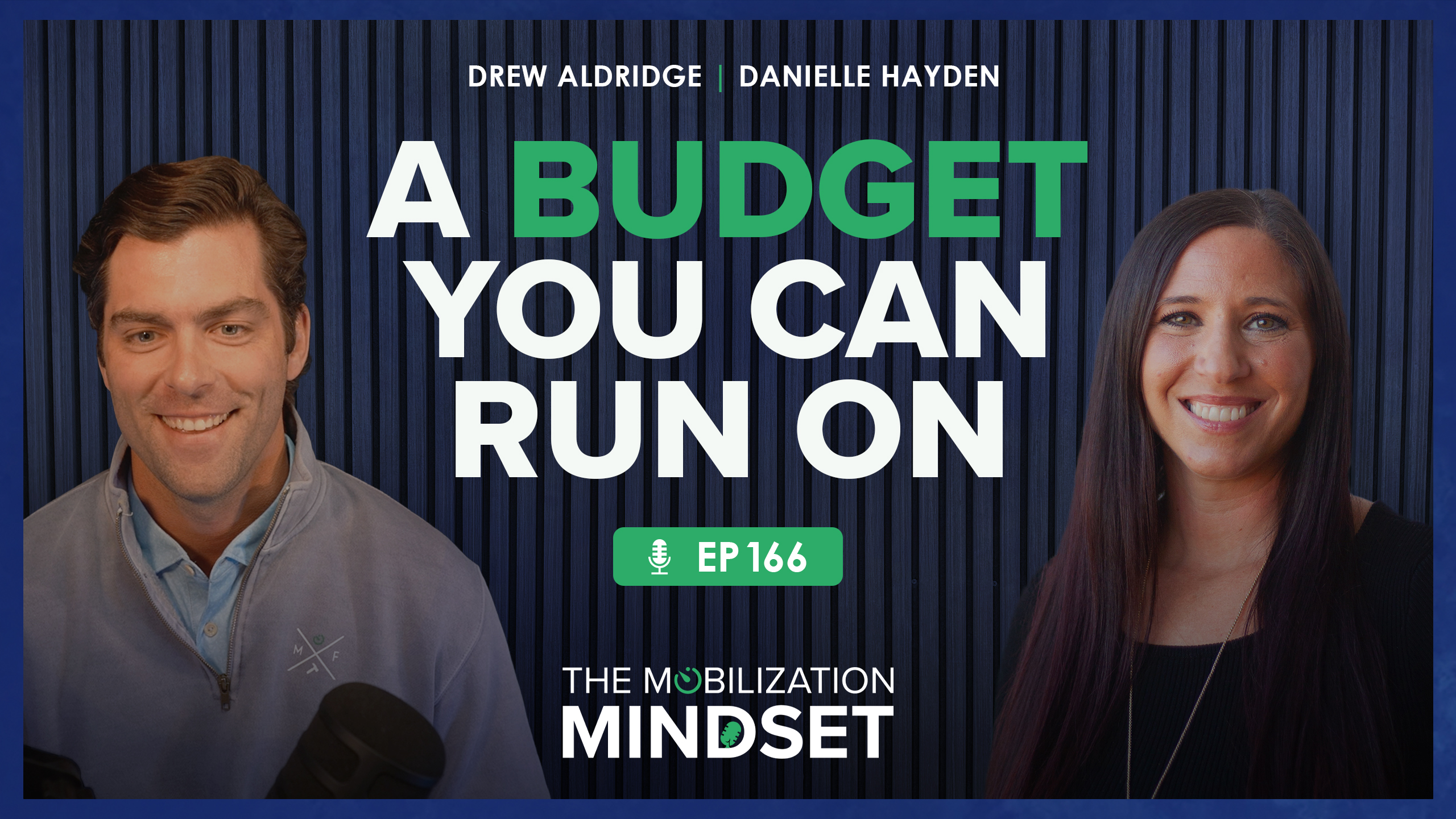
Profit doesn’t equal cash, and your CPA probably isn’t the right person to tell you what to do about it. Knowing your numbers is one thing. Knowing what to do with them is what helps you run a better business.
In this episode of The Mobilization Mindset, Drew Aldridge sits down with Danielle Hayden, CPA, CEO of Kickstart Accounting, and host of the CEO Numbers Network podcast, to discuss how business owners can build a stronger financial foundation and use their numbers to make better decisions.
They discuss:
• The different roles a bookkeeper, CPA, and CFO should play in your business
• When a fractional CFO makes sense, and when you might need one in-house
• How to turn your budget into a real decision-making tool instead of a document you rarely revisit
• Which financial KPIs to track, from revenue and gross margin to your top five operating expenses and cash trends
• Why profit and cash flow tell two very different stories, and where your cash hides on the balance sheet
Danielle also shares her take on QuickBooks, AI tools like ChatGPT, and why they can’t replace the CEO’s judgment or a clean set of books.

A profitable construction business can still struggle with cash flow. Why? Because profit on paper isn’t the same as cash in the bank, and the gap usually starts at the job level.
In this episode of The Mobilization Mindset, Scott Peper and Drew Aldridge preview the upcoming Cash Flow Workshop with Ground Crew, happening October 21-22 in Tampa, Florida. They break down what contractors can expect from two days focused on improving construction cash flow, protecting job profitability, and understanding the financial decisions that impact growth.
Scott and Drew discuss:
• Why profitable construction companies can still experience cash flow problems
• How bidding, job margins, and expected vs. actual profit affect your bottom line
• How to manage labor costs when payroll stays steady but production dips
• How better job costing and cash flow forecasting support sustainable growth
• What attendees will learn from Herb Sargent, Benjamin Holmgren, Suzanne Bach, Scott Kimpland, and the Mobilization Funding team
The workshop brings together construction, accounting, finance, and operational perspectives, so contractors of all sizes and trades can see where their cash is going and what to do about it. Scott and Drew also preview lessons from Field Tested, the new book from Herb and Scott. It’s built around real business stories, mistakes, and practical steps construction leaders can use in their own companies.

Some of the most powerful tools for improving cash flow don’t require borrowing more money. They start with your contract.
In this episode of The Mobilization Mindset, Scott Peper and Drew Aldridge break down how subcontractors can negotiate construction contracts with cash flow and risk in mind.
They discuss:
• How paid-if-paid and paid-when-paid terms can impact your cash flow
• Why subcontractors should understand the GC’s agreement with the owner
• How clearer payment and change order terms can prevent problems later
• Strategies for managing retainage as your business grows
• How the “Yes, If” method can create better outcomes during negotiations
If you’re a contractor looking to improve cash flow, reduce risk, and negotiate from a stronger position, this episode shows why some of your best opportunities may already be sitting inside your contract.

In this episode of The Mobilization Mindset, Scott Peper sits down with construction executive and author Victor Bretting to reflect on the lessons he’s learned throughout five decades in the industry. From managing cash flow and navigating contractor relationships to developing as a leader and building a legacy, Victor shares the experiences that shaped his approach to construction and life.
They discuss:
– Why perseverance is essential in construction
– How forecasting and understanding cash flow can protect a growing contracting business
– What subcontractors can do to build stronger relationships with general contractors
– Why great leadership requires listening, learning, and serving others
– The importance of legacy, mentorship, and talking openly about mental health
Victor also shares the story behind his memoir, The Man I Would Become, and how writing about his life forced him to reflect on his successes, mistakes, relationships, and the kind of legacy he wants to leave behind.
Victor’s Website: https://brettingtexanranch.com/about
The Man I Would Become: https://brettingtexanranch.com/the-book

Growing a business requires more than getting better at what you do. It requires becoming the leader your business needs next.
In this episode of The Mobilization Mindset, Scott Peper and Drew Aldridge explore the four stages of leadership: Operator, Founder, Manager, and Leader, and how business owners must learn to navigate each as their company grows.
They discuss:
– Why your business can only grow as far as you do as a leader
– The differences between being a founder, leader, manager, and operator
– Why leadership starts with learning to lead yourself
– How developing and empowering others creates room for growth
– Why letting go doesn’t mean others have to do things exactly your way
If you’re growing a business and finding that your role is changing along with it, this episode offers a practical look at how to evolve as a leader while building a team capable of growing with you.

In this episode of The Mobilization Mindset, Scott Peper and Drew Aldridge break down what core values should really look like inside a growing company. They share lessons from building Mobilization Funding’s own culture and explain how clearly defined values can guide decisions, create accountability, and give employees a standard for how to operate.
They discuss:
• Why every company has core values, whether they’re written down or not
• When core values become corporate fluff
• How leaders turn values into everyday behaviors
• Why core values can help employees make decisions independently
• How hiring and accountability change when everyone operates from the same standards
If you’re trying to build a stronger culture and give your team greater clarity as your business grows, this episode offers a practical look at making core values actually mean something.